Some of the places you most need eyes are the hardest to wire. XGen Mobile brings together portable and semi-portable camera masts, self-contained power, and 5G or Starlink satellite connectivity, so you can put a camera almost anywhere in hours instead of weeks. No trenching and no permanent infrastructure. We bring the solution, guide the rollout, and support it after.
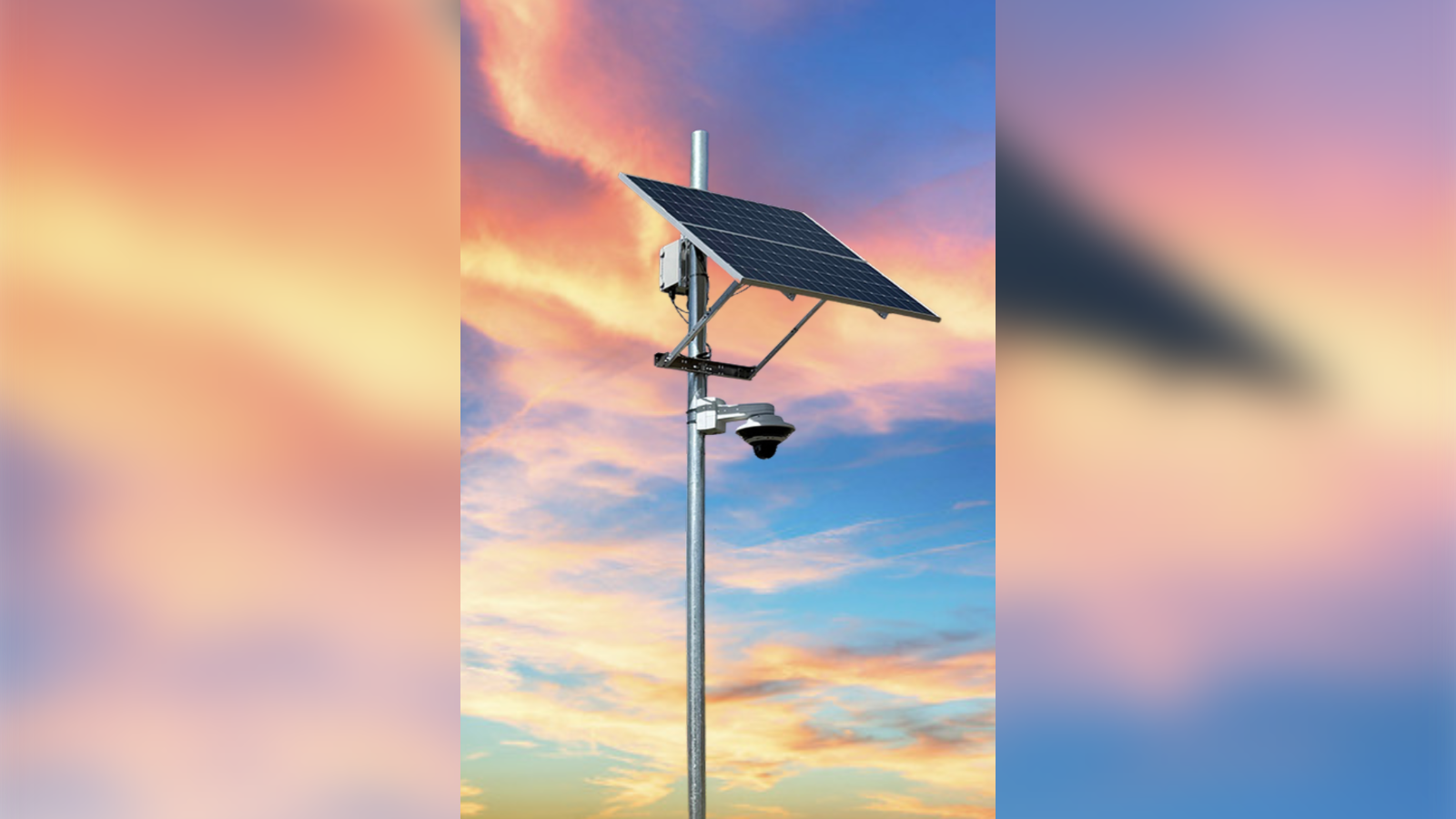
Skip the trenching, the conduit, and the permanent power drop. Put cameras where wiring was never realistic.
Kits arrive configured and field ready, so a site can be standing and streaming the same day.
Follow the problem. Relocate a mast to the next hot spot instead of paying for a whole new install.
Watch power, battery, and connectivity health from one dashboard, without sending a truck.
Parking lots, back gates, athletic fields, job sites, remote yards, event grounds, and roadways. The places that generate the most incidents are often the places with no conduit and no network drop. Deployable Surveillance removes that constraint.
Nothing to dig, wire, or permit for permanent power
Field-ready kits stand up in hours, not weeks
Move coverage as your risk moves
Battery service life. Actual useful life may vary with usage.
How long the camera needs to stay, and how often you expect to move it, decides the mount. Both options carry the same cameras and the same power and connectivity package.
A self-contained, rapidly deployable mast for temporary and changing locations. Everything travels together, so a team can stand up coverage at a new spot without an installer, a permit, or a power drop. Trailer and mast configurations make relocation fast, and battery, modem, antenna, and camera power ship in one field-ready case.
Best for: parking lots, events, construction phases, incident response, and remote areas beyond the reach of normal camera placement.
A configuration mounted on a fixed light pole, wall, or other structure you already own, for locations you expect to watch for a long time, without pouring concrete or trenching power to the spot. It holds position like a fixed install, and still comes down and moves when the site changes.
Best for: parking lots, campus perimeters, back entrances, roadways, and remote yards that need steady coverage without a construction project.
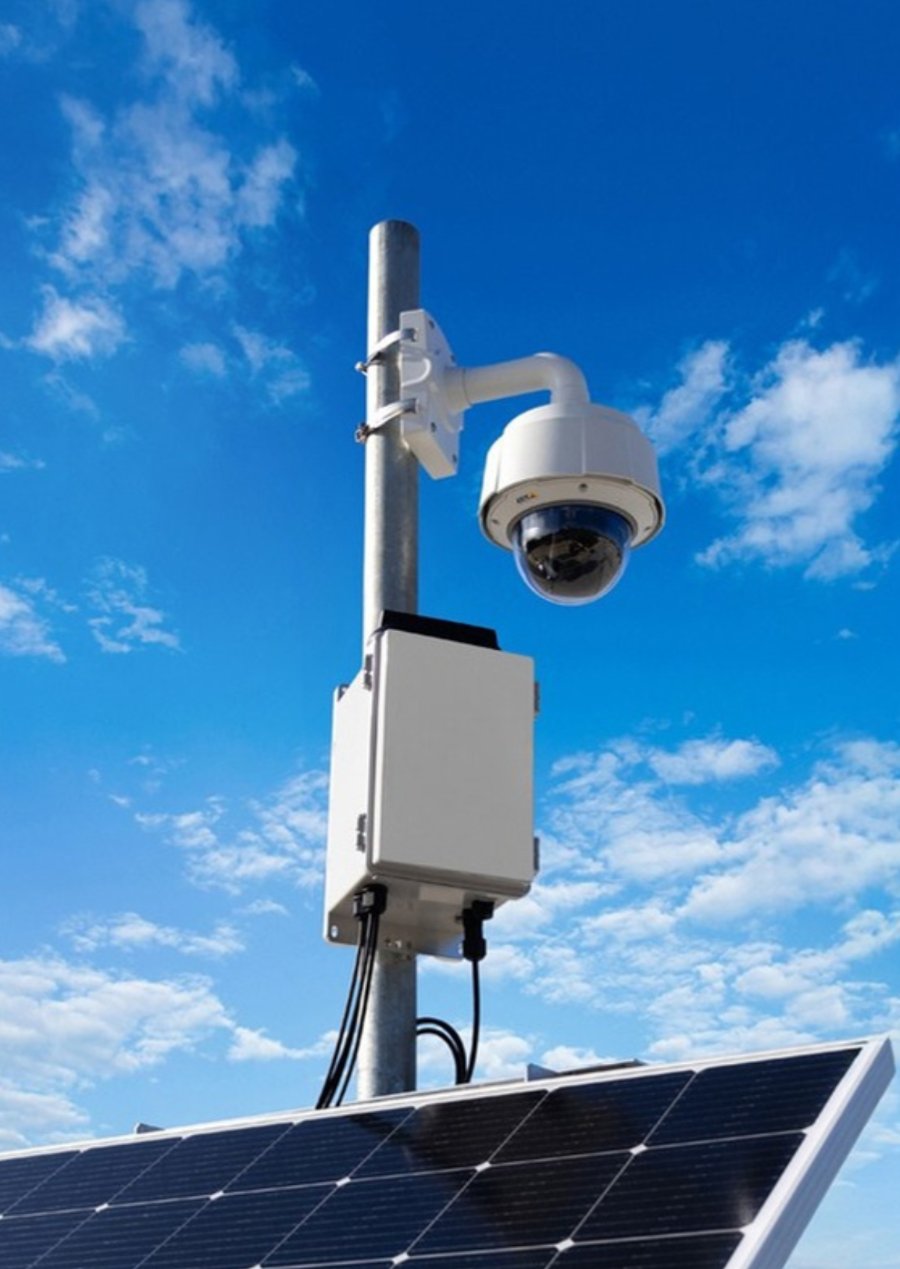
Power is what usually kills a camera project. Both options store energy in a managed battery system, so the camera keeps running when the sun is down or the source cuts out.
Street and parking lot lighting sits exactly where you want cameras, but it only energizes at night. This option draws on that intermittent source to charge the battery, so the camera runs continuously even while the lamp is off during the day. It uses circuits you already own rather than a new service drop, and it works with continuous AC where that is already available.
Best for: municipal streets, parking structures, shaded lots, and campuses with lighting already in place.
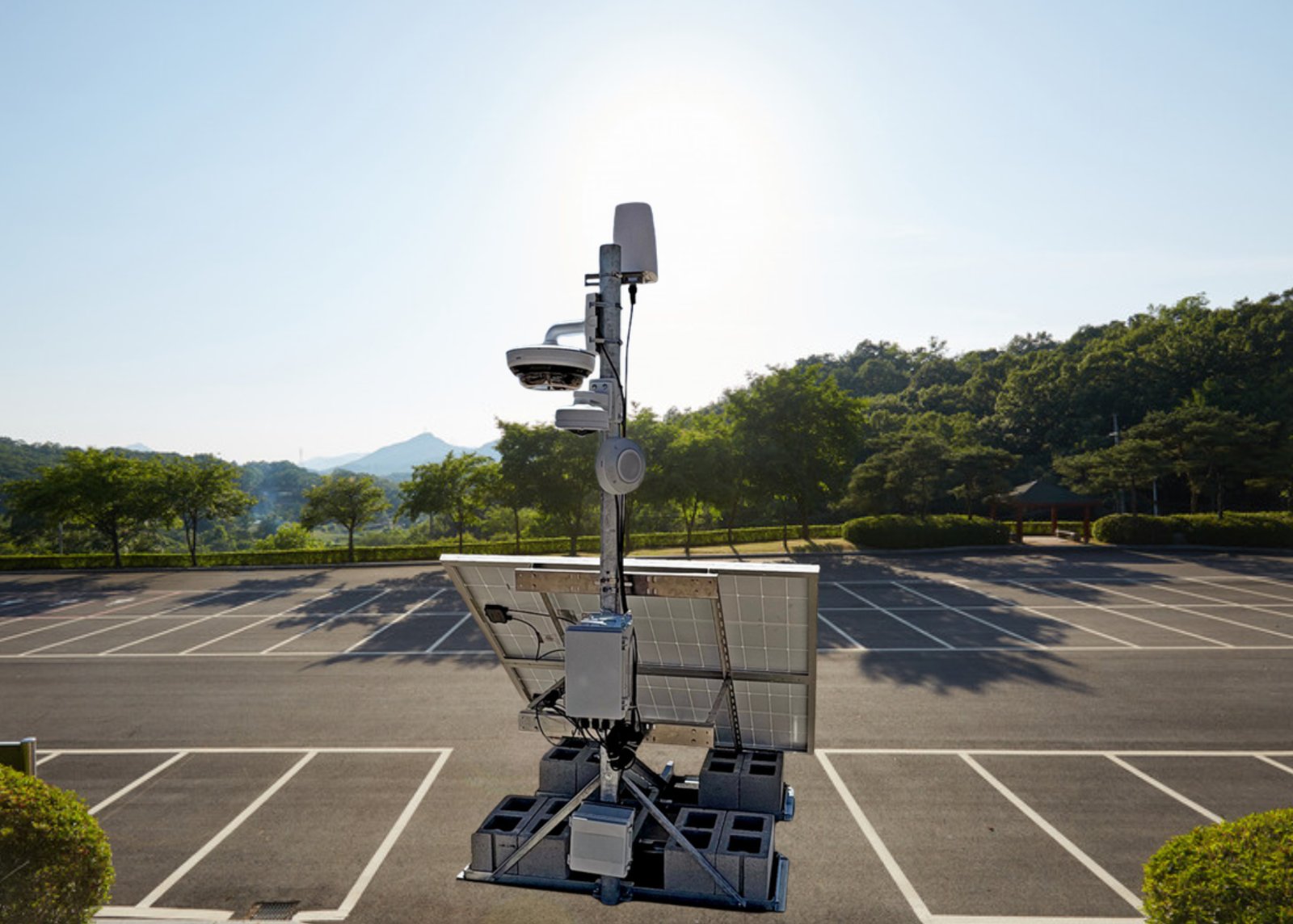
A solar array charges the battery system through the day and carries the camera through nights and cloudy stretches. It is the option for sites with no electrical infrastructure at all. Solar and battery are sized to the runtime the location actually needs, and battery-only configurations cover short-term deployments.
Best for: remote lots, perimeters, job sites, athletic fields, water and utility sites, and anywhere the grid does not reach.
The mast and the power exist to serve the camera. We deploy enterprise-grade network cameras proven with our AI Threat Detection platform, so the same site that gives you a live view can also watch for a visible firearm and get a verified alert to your team.
Bullet, dome, box, multi-sensor, panoramic, and pan-tilt-zoom, so the camera matches the view the site actually needs.
Low-light performance, wide dynamic range for harsh backlight, and optimized infrared for usable images after dark.
On-camera classification of people and vehicles, plus counting and search attributes that cut review time after an incident.
Smart compression keeps image quality up and data volume down, which matters when a site runs on 5G or satellite and a battery.
Weather and impact-rated housings for outdoor abuse, with secure boot, signed firmware, and government procurement options available.
Standards-conformant cameras that integrate with major video management systems and with our threat detection platform.
Every power unit shares one platform: plug-and-play solar charging for up to two panels, PoE output for cameras, direct 12, 24, or 48 VDC output, and a NEMA 4X enclosure with IP67 connectors. Pick the battery size, then add the charging, connectivity, and mounting the site needs. Pricing is by quote.
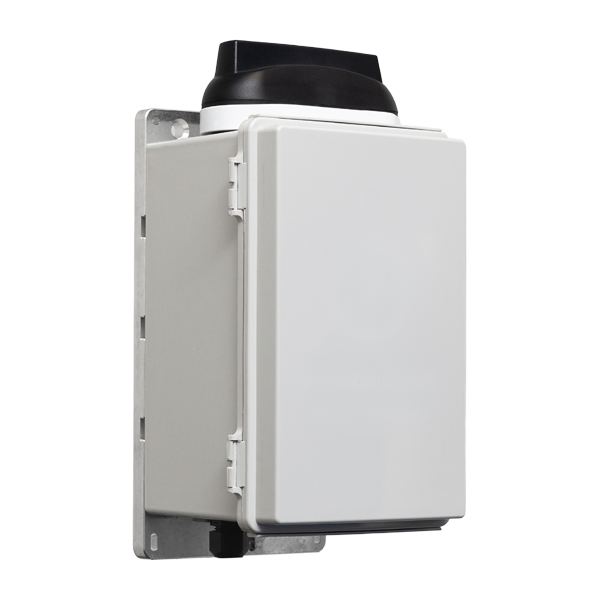
Modem only, no battery
For sites that already have constant power and only need a connection for the cameras.
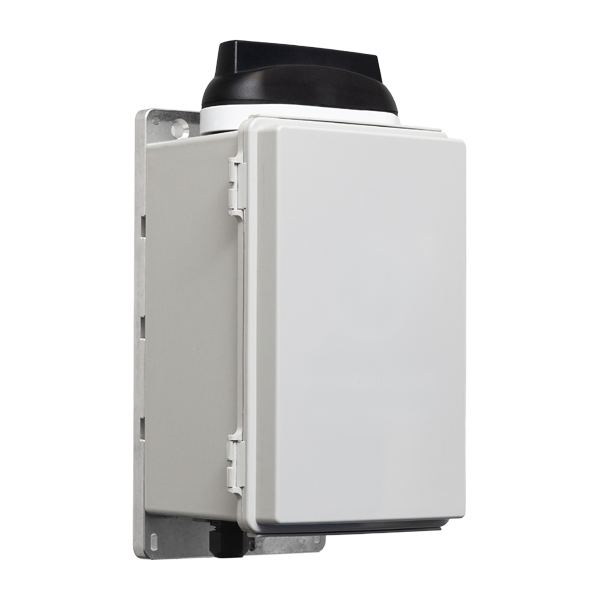
One LiFePO4 battery, 1,000 Wh
All-in-one battery kit in a rugged case for single-camera or low power-draw sites.
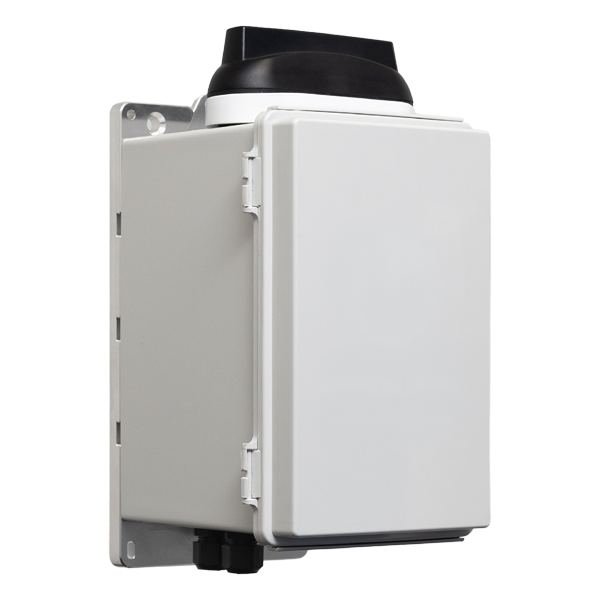
Two LiFePO4 batteries, 2,000 Wh
Enhanced capacity for multi-camera or medium power-draw sites.
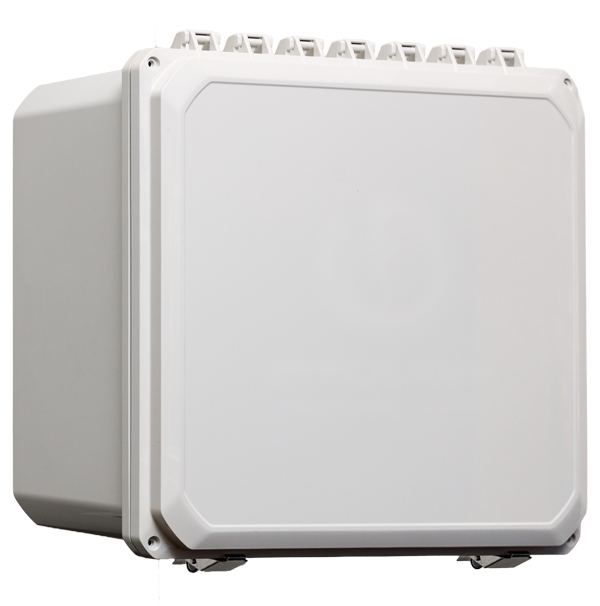
Four LiFePO4 batteries, 4,000 Wh
For exceptionally high power-draw sites.
Operating range -10°C to 50°C, with an extended range down to -40°C available. PoE options include 802.3at ports, a Mode B 48V passive port, and an 802.3bt PoE++ port. Optional AC charging works from grid or generator power, and both constant and intermittent AC sources are supported.
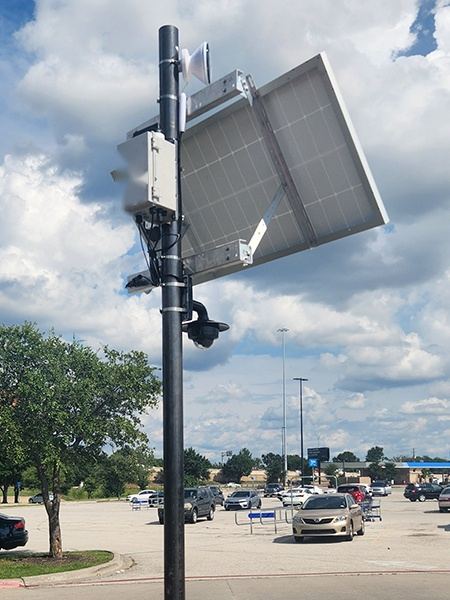
Two 220W solar panels with a double mount. Each unit accepts up to two panels, plug and play.
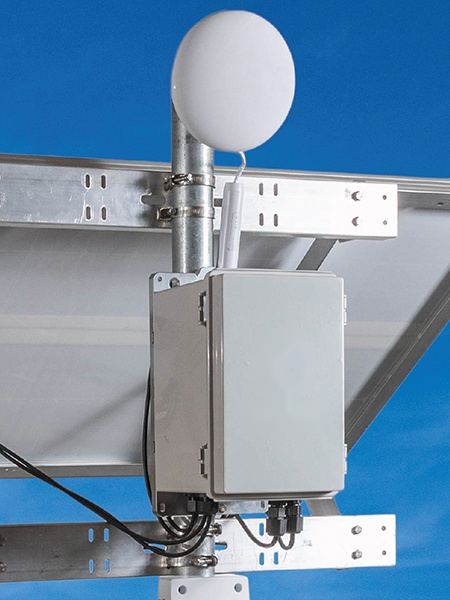
A direct link between devices that does not rely on outside networks. Available with LTE failover when the site needs a backup path.
Adds one PoE++ (802.3bt) port to a power unit for higher-draw devices.
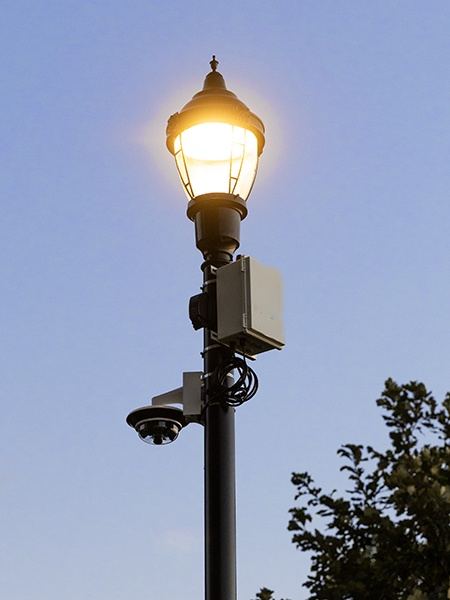
Straps a power unit to an existing pole, for long-term installs.
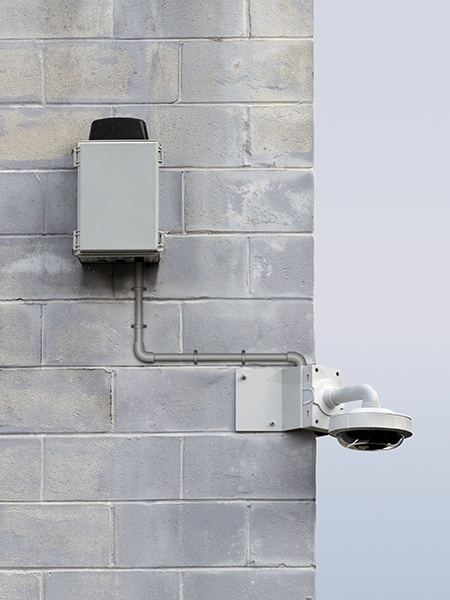
Aluminum camera wall mount with an IP66 compartment for power and connectivity, such as a PoE midspan. IK10 and NEMA 4X rated.
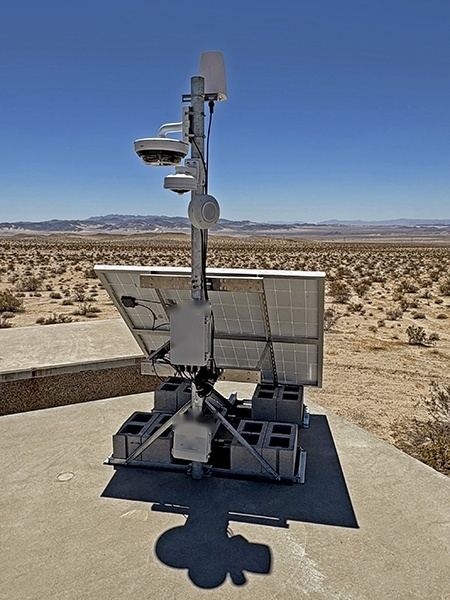
A free-standing mast for temporary or changing locations.
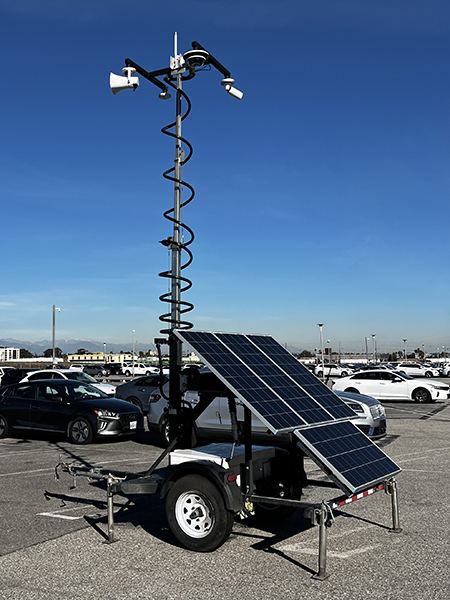
A towable solar trailer with a raised camera mast, for sites that need to move quickly.
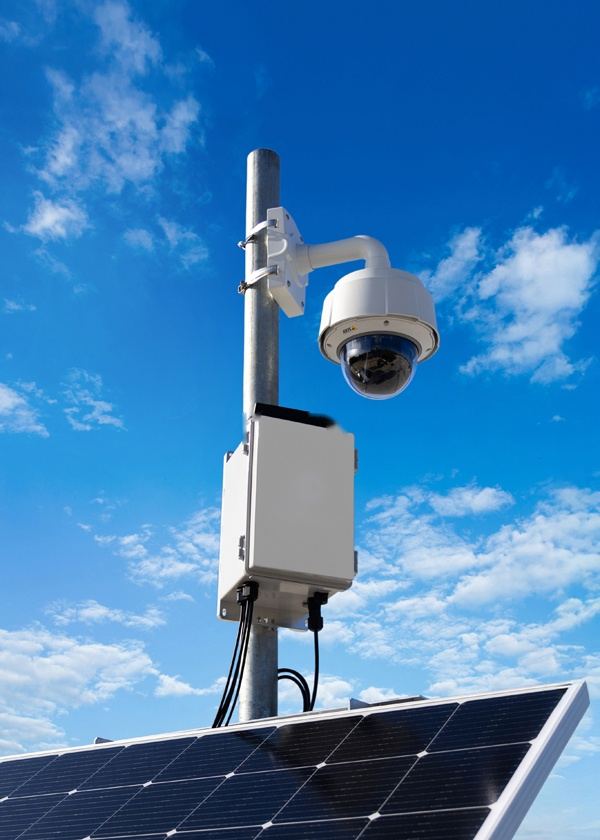
Pan-tilt-zoom camera with 30x optical zoom. Other camera brands and video management systems are supported.
Every battery unit comes with remote management that gives real-time visibility into system performance and helps reduce on-site technician visits. Keeping the license current keeps monitoring, warranty, and support coverage active.
Professional installation and configuration.
Parking lots and garages sit at the edge of US properties, past the reach of conduit, network drops, and often lighting. The research case for putting monitored cameras there is unusually strong, and the legal case for ignoring them is getting expensive.
A vehicle is stolen in the US, even after 2025's record 23 percent decline (NICB, 2026)
Crime drop in Baltimore districts with actively monitored cameras, against matched comparison areas (Urban Institute, DOJ-funded)
Return on investment measured for Chicago's actively monitored camera program (Urban Institute, DOJ-funded)
Judgment affirmed after a Georgia parking lot shooting where poor lighting and a removed guard were central evidence (Georgia Supreme Court, 2023)
The Urban Institute's DOJ-funded evaluation concluded public cameras cut crime when they are actively monitored, while sites with weak monitoring saw no effect. A 2024 peer-reviewed study in the Journal of Experimental Criminology found mobile surveillance towers in Arlington, Texas parking lots were associated with a small but statistically significant decrease in vehicle-related thefts, and that the effect faded over time at fixed sites. Its authors recommend rotating units between hot spots. That is precisely the model here: monitored, lit, and movable when the risk moves.
NICB's first theft-prevention tip is to park in well-lit areas, and courts have noticed the same thing. In 2023 the Georgia Supreme Court affirmed a jury verdict of $45 million, reduced to $42.75 million for comparative fault, against a national retailer after a parking lot shooting. Employees had testified they parked close to the building because the lot's lighting was poor, and a security guard had been removed. Coverage you can stand up in hours costs far less than explaining afterward why there was none.
One team for the mast, the power, the connectivity, the camera, and the support after it is live.
We look at what you need to see, what power is nearby, how much sun the spot gets, and what coverage is available, then size the system to match.
Mast, battery, charge source, modem, antenna, and camera are configured and staged as one field-ready package before it reaches your site.
We stand it up, confirm the video path, and watch system health remotely so you know it is working without sending anyone out.
Anywhere the need for eyes outruns the reach of the grid.
Campus perimeters, parking lots, athletic fields, and bus areas.
Streets, parks, public lots, and problem corridors on existing light poles.
Parking lots, loading docks, and outparcels away from the building feed.
Active sites, laydown yards, and equipment storage that move as the job moves.
Substations, water sites, towers, and remote assets far from any drop.
Hot spots, investigations, and temporary coverage that follows the problem.
Stand up coverage for the event, then take it down and store it until the next one.
Entrances, common areas, and amenity sites without a construction budget.
XGen Mobile, Corp. is a non-exclusive authorized dealer on TD SYNNEX public sector contracts with OMNIA Partners and Sourcewell. TD SYNNEX Corporation holds those contracts. An agency that already participates in one of these cooperatives can purchase through it rather than running a separate solicitation, and the masts, power units and cameras behind this offering are carried on the TD SYNNEX line card. AI threat detection and satellite connectivity are not on that line card and are quoted separately. Being on the line card is not the same as being covered by a particular contract, so we confirm the vehicle before you order.
State and local government, K-12 school districts, higher education, and other public entities, as each cooperative defines eligibility for its own contract.
Confirm your agency participates in the cooperative, ask us for a quote that names the contract and its number, then issue your purchase order to XGen Mobile referencing that same contract. We invoice you and manage the order through TD SYNNEX.
Coverage differs from one contract to the next. The Sourcewell contract is scoped to public safety software, so we confirm which of the two fits your hardware. Services are handled separately from products. Deployment labor is not automatically on contract: under both agreements XGen Mobile must request TD SYNNEX approval on each occasion it includes its own services in a contract quote or order. We will confirm which line items sit on the contract before you write a purchase order.